
LISTEN TO THE EPISODE HERE:
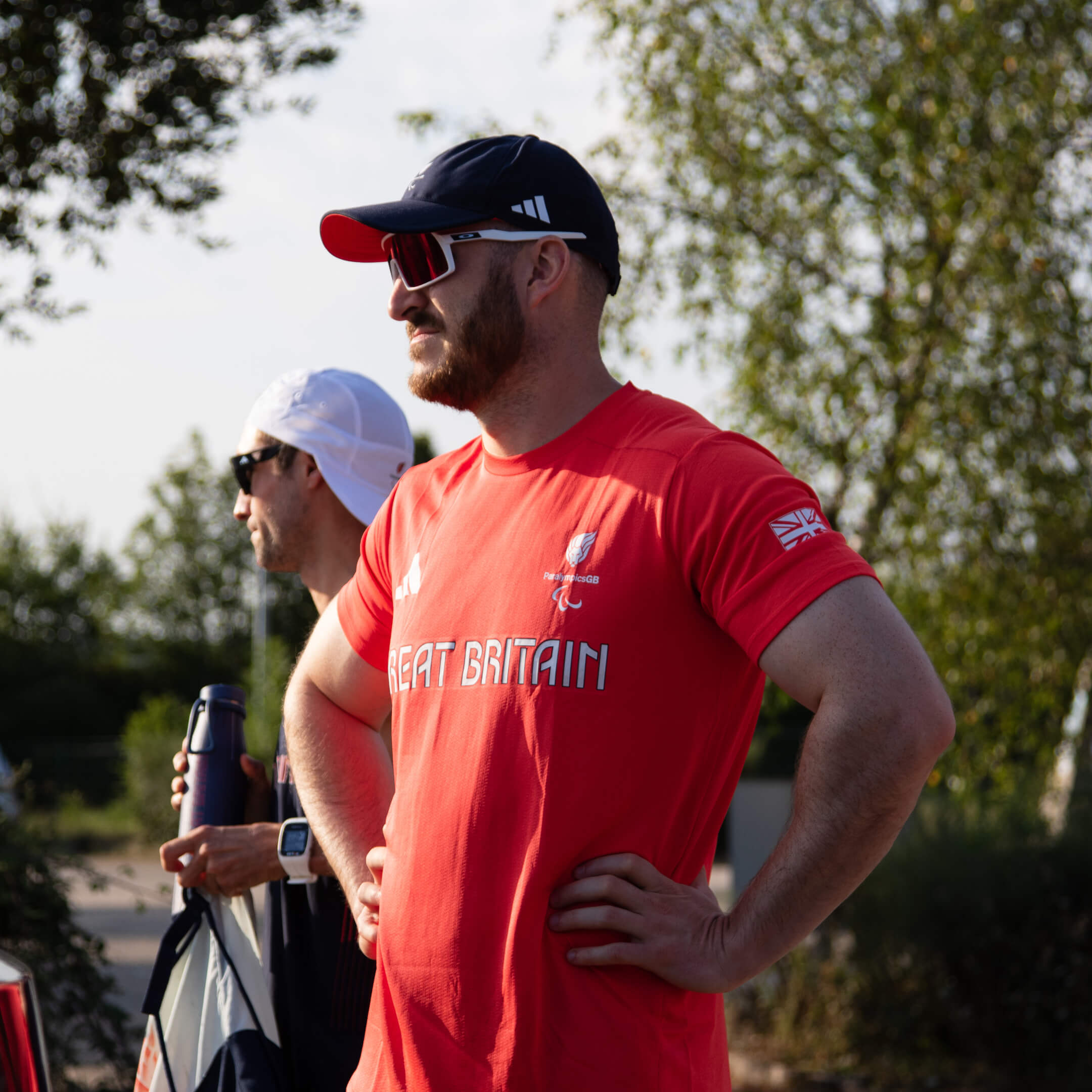
Ben Stephenson, PhD, is Performance Planning Lead and physiologist for the Great Britain para triathlon squad in Loughborough. He joins us off the back of the Paralympics in Paris where Team GB had a very successful games with five para triathlon medals, including two golds.
In this episode you'll learn about:
- Core temperature and thermoregulatory strain in sprint distance triathlon
- Heat preparation: science and practice
- How to minimise the risk of getting ill: which factors matter the most?
- The performance planning process behind Great Britain's Paralympic success
- Training to performance demands or to the individual physiology?
- Balancing the art of coaching and sports science
Sponsored by:

Precision Fuel & Hydration
Precision Fuel & Hydration produce our favourite gels, sports drinks, and electrolyte and carbohydrate products here at That Triathlon Show and Scientific Triathlon. Use the free Fuel & Hydration Planner to get a personalised plan for your carbohydrate, sodium and fluid intake in your next event, and get 15% off your first 2026 order by using the code TTS2026 at checkout.

Zen8
The ZEN8 Indoor Swim Trainer allows you to improve technique, power, and swim training consistency. You can target specific aspects of your stroke, like catch and pull-through, work on core activation and body position, and make sure you stay consistent in your swim training even when you don't have time to go to the pool. Try the Zen8 risk-free for 30 days, and get 20% off your first order on zen8swimtrainer.com/tts.
Shownotes
Ben's background
03:34 -
- I've worked at the UK Sports Institute for nearly a decade as a physiologist, focusing primarily on British Triathlon’s Paralympic programme. My journey began during my master's at Loughborough University in 2014, which led to a PhD and eventually to my current role.
- I’ve maintained my physiological role throughout this time, but since the start of 2023, I've also taken on responsibilities as the performance planning lead. This involves overseeing the planning and review processes for athletes, including annual and quarterly plans, and coordinating the science and medical support around these plans.
- I’m based at the Triathlon Centre in Loughborough, where the majority of our para-triathlon squad is also located full-time. Athletes such as Dave Ellis, his guide Luke Pollard, Claire Cashmore, Finley Jakes, Hannah Moore, and others train here.
- While most of the squad is based in Loughborough, we also have athletes who visit weekly or train remotely. Unlike the Olympic side, which has centres in Loughborough and Leeds, the British Triathlon's para side is exclusively based in Loughborough.
- In terms of recent performances, we achieved our best-ever results at a Paralympic Games in Paris, a testament to the growth of para-triathlon, which debuted at the Games in 2016. Out of the 12 categories in the sport, we competed in 11 and secured five medals, including two golds.
- Dave Ellis and his guide Luke Pollard, who are multiple world champions, won gold after facing bad luck in Tokyo. Megan Richter also won gold in the women’s PTS4, making her the first-ever champion in that category. Claire Cashmore and Lauren Steadman earned silver and bronze respectively in the women’s PTS5, while Hannah Moore took bronze in the women’s PTS4.
- Beyond the medals, we had strong performances from athletes who finished in fourth place or the top six, with some making their Paralympic debuts. These results are incredibly promising, especially for our younger athletes who are on a great trajectory for the next four years.
PhD research: thermoregulatory strain
09:24 -
- I began my PhD in late 2015, just before the Rio Olympics. From that point, we were already looking ahead to the Tokyo Olympics, anticipating the weather challenges we'd face in August—specifically, the intense heat and humidity.
- Even before Rio, we were thinking one step ahead, focusing on Tokyo.
- It was clear that Tokyo's conditions would present a new challenge for us as a relatively new Paralympic sport. We knew that both high temperatures and humidity levels would impair endurance performance, as shown by over a decade of research.
- My first PhD study aimed to understand the effects of racing in hot conditions on athletes in our sport, especially since existing research was primarily done in sterile lab settings.
- To get a more accurate profile of what happens in real-world conditions, we decided to look at an actual race. We chose a competition in Italy in July, known for its high temperatures, where the race day reached around 33 to 34 degrees Celsius.
- During this race, we had athletes ingest temperature pills that allowed us to track their core temperatures throughout the event—from the pre-race warm-up, through the swim, bike, and run, and after the race. We included 28 international athletes in this study to increase our sample size.
- Our findings were significant: 22 of the 28 athletes reached core temperatures above 39.5 degrees Celsius, which is the cutoff point in most lab studies. In controlled environments, participants are usually removed from the heat at this point.
- However, in our study, many athletes continued racing beyond this temperature and were completely fine. Additionally, eight athletes reached temperatures above 40 degrees Celsius—the threshold for hyperthermia—yet some still managed to perform well.
- We realised that while high core temperatures were common, it wasn't just about the numbers; it was also about how athletes felt and performed under these conditions. We conducted surveys post-race to understand their experiences and over half reported symptoms of heat illness.
- This wasn't surprising, but it confirmed that athletes would struggle without proper preparation for the heat, which would negatively impact their performance.
- With this understanding, we recognised the need to prepare effectively for Tokyo, where the conditions would likely be even more challenging due to higher humidity. We began developing a heat acclimation protocol specifically tailored to elite athletes.
- Most existing research on heat adaptation was based on student, military, or firefighter populations and wasn't practical for our athletes. Our approach combined typical heat acclimation methods, like cycling in a heat chamber, with more novel methods, such as passive acclimation.
- We structured the program with around 75% of acclimation in a heat chamber and the rest using passive methods, to avoid drastically altering the athletes' training routines.
- This mixed approach was the first of its kind to show that we didn't have to rely solely on traditional, sterile research methods for heat acclimation. It allowed us to fit the acclimation process around the athletes' usual training schedules, proving both practical and effective.
- Our study also demonstrated that heat adaptation is possible regardless of whether athletes have impairments or disabilities, showing similar levels of adaptation in both groups.
- Ultimately, we knew the challenge in Tokyo would be high due to the heat, but we also learned that we could prepare athletes effectively and on a schedule that suited their normal training routines rather than following a standard research protocol.
Correlations in core temperature values and performance
17:39 -
- The research we conducted, which included both laboratory and natural race settings, suggests that the temperatures athletes can tolerate vary greatly from person to person and depend heavily on specific situations.
- For instance, factors like an athlete's body size and composition play a role; larger athletes might have a different threshold for tolerating heat compared to smaller athletes.
- Additionally, general fatigue levels significantly impact tolerance—when an athlete is more fatigued, whether due to a race or training session, their threshold for tolerating heat tends to be lower.
- The same holds for hydration and nutrition; the poorer an athlete's hydration or fuelling status, the lower their tolerance for heat before their performance begins to decline.
- There wasn't a straightforward correlation found between increased temperatures and decreased performance. Instead, it’s highly individualised and context-dependent, meaning that each athlete responds differently to temperature variations depending on various factors unique to their body and the situation at hand.
Heat preparation
19:13 -
- We conducted an eight-day programme that consisted of five active sessions in a heat chamber on a bike, coupled with three passive heat exposures. The active sessions involved cycling in the heat chamber, where we controlled the exercise intensity by monitoring the athletes' core body temperature.
- Traditionally, the gold standard in research involves maintaining a core body temperature of around 38.5 degrees Celsius. However, the usual method of continuous monitoring via rectal thermometers isn't practical, especially for extended periods like eight days.
- Athletes would not be comfortable with that approach, and the alternative, using ingestible thermometers is prohibitively expensive – around £40-£50 per pill. For a squad of 10 athletes over eight to ten days, that cost quickly adds up and becomes unfeasible.
- Instead, we controlled the intensity of the exercise by targeting a specific heart rate, aiming for a level around the athletes' LT1, or their first lactate threshold.
- This point was chosen because, during pilot testing, athletes generally reached a core body temperature of 38.5 degrees at this heart rate. We used heart rate as a measure to maintain consistent intensity regardless of the power output. The theory was that by controlling the heart rate, the power an athlete could produce at that heart rate would gradually increase as they adapted to the heat.
- This way, the training stimulus remains consistent each day rather than decreasing as it might if we controlled for power instead of heart rate.
- The five sessions involved maintaining a heart rate around the first threshold, just slightly below it.
- For the passive sessions, athletes sat in the heat chamber after their training, at a time when their core body temperature, skin temperature, and sweat rates were already elevated. The aim was to sustain and prolong the heat exposure.
- However, in retrospect, I’ve found that just sitting in the heating chamber may not be enough for effective passive acclimation. Nowadays, we typically prefer using hot baths or saunas for this purpose.
- The heat chamber does not seem to provide a progressive enough environment to sufficiently elevate core body temperature. Hot baths or saunas offer a more controlled and effective approach to achieving the desired physiological adaptations.
- For saunas or hot baths, we generally aim for sessions of 30 to 45 minutes, provided the athletes' core temperature is not already elevated.
- For hot baths, the water temperature is maintained at around 40 degrees Celsius, starting with a duration of 30 minutes, and extending up to 40 minutes if the athletes can tolerate it. For saunas, a similar duration is used, but breaks every 5 to 10 minutes are necessary due to the oppressive heat, usually around 80 degrees Celsius.
- Athletes are encouraged to step out for a minute or so to cool off slightly. Attempting to remain in a sauna at such a high temperature for 40 minutes straight is quite challenging and may not be safe.
- When considering different types of saunas, such as infrared saunas, traditional electric, or wood-fired ones, I can’t definitively say which is superior.
- However, I would imagine that as long as the sauna can achieve a sufficiently high temperature, the results should be similar. The key factor is the heat itself, which drives the increase in internal body temperature and skin temperature necessary for acclimation. The method of heating might not be as crucial as the temperature achieved.
HIIT in the heat?
24:27 -
- When we first started promoting heat acclimation, our methods were quite different from what they are now. In those early days, we noticed that some athletes were feeling flat after acclimation, and I believe there were a few reasons for that. One significant factor was the overall fatigue that comes from undergoing acclimation.
- It's a demanding process that requires athletes to be particularly diligent with their refuelling strategies. It was clear that the timing of acclimation relative to racing needed to be reconsidered.
- Due to the fatigue it induces, it’s often better to push the acclimation period earlier and further away from the race, allowing sufficient time for recovery.
- Another aspect we learned over the years is that our initial approach focused mainly on relatively low-intensity work, which, although challenging in the heat chamber, might have been missing the higher-end threshold efforts crucial for race preparation.
- These sessions typically included race-intensity workouts, particularly on the bike, but also a running session or two in the heat chamber.
- This adjustment—training at a race pace in a controlled heat environment—has proven beneficial in post-acclimation performance.
- Our current approach centres around using heat to trigger physiological adaptation, rather than merely replicating race conditions.
- The heat chamber allows us to control temperature and humidity, but it lacks other environmental factors like solar radiation and airflow that are present in outdoor races.
- By manipulating these elements, particularly using high humidity to elevate temperatures more rapidly, we can create a challenging environment that fosters adaptation without requiring extended time in the chamber.
Heat suits
29:25 -
- When it comes to using paint suits, I find they are more effective for activities that involve turbo-based cycling.
- It's challenging to achieve a sufficient heat stimulus while running outdoors unless the weather is particularly hot. For indoor heat acclimation, we've explored a range of DIY solutions, particularly on the more economical end of the spectrum, which we've been using effectively since before the Tokyo Olympics.
- For instance, I've found that greenhouses — the kind you typically use in your garden for growing tomatoes — can be repurposed for indoor cycling.
- Some of these greenhouses are quite spacious, large enough to fit a turbo trainer and a bike. This approach is particularly useful for athletes who lack access to a professional heat chamber. They can set up these greenhouses in their turbo room, kitchen, or any other available space, ideally about two meters by one and a half meters.
- Because of their design, these greenhouses require only a minimal heat source to be effective. You can buy a cheap heater for around £20 from Amazon, and you've essentially created your small heat chamber.
- We've found this method to be highly effective over the past few years, especially for athletes who do not have access to a professional heat chamber, such as those training abroad.
- One example is an athlete who was based in the Canary Islands before the Tokyo Olympics. She used a plastic greenhouse as a makeshift heat chamber by setting it up on her balcony with a small heater inside. This solution proved to be very effective for her heat acclimation needs.
Takeaway and timing to do heat training
31:39 -
- Heat adaptation is effective for everyone. While some athletes might require slightly more or less time to adapt, consistent heat exposure will result in adaptation. The key takeaway is that all athletes can benefit from preparing for hot conditions, particularly if they are competing in such environments.
- For both the Tokyo and Paris competitions, we used a similar approach. The main period of heat adaptation started approximately two months before the race.
- This involved a concentrated two-week block where athletes underwent around ten heat sessions, either in a heat chamber or through other heat exposure methods. This is quite an intense phase, and fatigue tends to accumulate towards the end of the second week.
- After this initial block, typically about six weeks before the competition, we transitioned into a heat maintenance phase. This is a relatively new strategy that we have refined over the last few years.
- During this period, athletes only completed two heat sessions per week over four weeks. Once the primary heat adaptation has been achieved, it is much easier to maintain this level with just a couple of sessions weekly, which is more manageable and allows athletes more recovery time to stay fresh.
- So, from six weeks to two weeks before the competition, our athletes were doing these infrequent but consistent maintenance sessions.
- Then, two weeks before the event, we would travel to our holding camp. For Tokyo, this was in Miyazaki, in the southwest of Japan, where athletes trained outside in hot and humid conditions every day, thereby naturally maintaining their heat adaptation.
- Similarly, for Paris, we were in a location near Bordeaux in the southwest of France, which also provided high temperatures daily for continuous acclimatisation in an outdoor environment rather than in a lab.
How chronic and acute changes in training load might affect the immune response of an athlete
35:18 -
- My PhD research was deeply inspired by the pressing questions within the sport at the time, which was relatively new in 2014 and 2015. There was a lot of learning happening across the board—amongst coaches, athletes, and within the World Cross Programme.
- A major issue that arose was the high incidence of illnesses among athletes, particularly around intense training periods or training camps.
- For example, many athletes would go to Lanzarote for a few weeks, and upon their return, they would often fall ill. This raised questions about what was happening to cause these illnesses and where we could make improvements.
- One of my studies aimed to explore this issue by monitoring an antibody in saliva, specifically immunoglobulin A (IgA). IgA is a key component of the immune system found in our mucosal surfaces, including saliva, and serves as a first line of defence against infections.
- There was evidence from other sports indicating that as the training load increased, IgA levels decreased, suggesting that athletes could become immunosuppressed and more susceptible to illness.
- We decided to conduct a longitudinal study over nine months, from winter to mid-season, to measure weekly IgA concentrations and their relation to illness incidence, as well as the potential impact of training load.
- Surprisingly, our findings didn’t show a significant relationship between training load and IgA concentration. We also found no correlation between IgA levels and illness, despite frequent illnesses occurring during that period.
- Essentially, we couldn't establish that an increase in training load led to a decrease in IgA, or that IgA was a reliable indicator of immune health or illness.
- While it initially felt like the study might have been a waste of time, it provided valuable insights. It highlighted that, despite its theoretical appeal, IgA is not a practical monitoring tool in an elite sports setting. The variation in salivary biomarkers was too high, and with a small sample size of around ten athletes, the data was too noisy.
- Even though we used gold-standard lab-based analysis techniques, which involved freezing samples and later analysing them in batches, there was no live readout to inform immediate decisions about training adjustments.
- This experience showed that even the best scientific methods might not be feasible in a real-world sports context. Interestingly, a more impactful finding from the study was that simple self-reported athlete feedback—asking athletes to rate how they felt compared to normal—proved to be a more powerful and predictive tool for monitoring potential illnesses.
- It was a straightforward, cost-effective method compared to the complex and expensive process of collecting and analysing salivary biomarkers. In this case, simplicity proved more valuable than so-called gold-standard measures.
- In my experience, while I used to incorporate morning HRV (heart rate variability) and resting heart rate measurements into my coaching practice to potentially detect early signs of illness in athletes, I eventually found these methods to be somewhat unreliable.
- Often, there's no clear correlation between these metrics and an athlete's health. Moreover, the act of focusing on these measurements can lead athletes to overlook a critical aspect of their well-being: simply asking themselves, "How do I feel today?"
- When athletes rely too heavily on data, they might miss early signs of illness or overtraining because they develop a sense of false certainty or predictability from the numbers.
- While it isn't quite the same as using saliva measurements, the principle remains similar: tuning into one’s body can be incredibly powerful for predicting health and performance.
- In our sport, we currently don’t have any squad-wide or programme-wide objective measurement practices, such as HRV monitoring, saliva biomarkers, or wellness monitoring. Instead, we rely heavily on the expertise of our coaches.
- These coaches check in with their athletes daily, asking them directly how they feel and making decisions based on those conversations. This approach often proves more effective than solely depending on objective measurements from external sources like HRV readings or blood samples.
- We've noticed fewer instances of illness in this Paralympic cycle compared to the previous one. I believe this improvement can be attributed to several factors: firstly, the expertise of our coaches in maintaining close communication with their athletes; secondly, a stronger emphasis on the basics—such as proper nutrition, hydration, and sleep; and finally, a higher overall level of professionalism and elite athlete behaviours.
- Our coaches' ability to check in and understand the needs of their athletes on a day-to-day basis has been key to maintaining better overall health and performance.
Practical takeaways to reduce the risk of illness
44:28 -
- When it comes to post-race care and travel, these are areas where we've seen significant improvement, particularly in recent years.
- A striking example was during the Covid pandemic when everyone was highly conscious of hand hygiene and mask-wearing. Interestingly, this vigilance didn't just reduce COVID-19 transmission; it also helped prevent athletes from catching other common illnesses like coughs and colds.
- This experience highlighted the effectiveness of basic preventative measures—like maintaining hand hygiene, wearing masks, and avoiding contact with ill people—in keeping athletes healthy regardless of the type of virus or infection.
- When athletes are travelling, especially on long-haul flights, several steps are crucial for maintaining their health. First, it is essential to sanitise their seating area thoroughly with antibacterial wipes and to continue wearing masks.
- For flights, we also encourage the use of chewing gum to prevent airways from becoming dry. Athletes must avoid flying on the day of their race.
- Both racing and intense training sessions temporarily suppress the immune system, so exposing oneself to crowded environments, such as airports or planes filled with strangers who could be carrying various infections, is not advisable.
- Instead, we suggest waiting an extra day after the race to allow the immune system to recover fully. Having a good night's sleep before travelling can make a significant difference in reducing the risk of illness.
Ben's role at the UK Sports Institute
46:15 -
- As the head of performance support within the UK Sports Institute, my role involves overseeing the planning and reviewing of athlete performance across various sports.
- Each sport has a dedicated leader responsible for these aspects, coordinating with both the coaching staff and the science and medicine teams to ensure integrated support.
- Sometimes, this role falls more heavily on coaching decisions, while in other cases, it is led by a performance support expert.
- In our particular program, I serve as the main point of contact, collaborating closely with the coaches to understand their needs and those of the athletes from a science and medicine perspective.
- This requires me to act as a bridge between the coaching team and the scientific and medical teams, ensuring seamless communication and support.
- A key part of my role is to assist coaches and athletes in analysing current performance levels and identifying areas for improvement based on their goals.
- Additionally, I take a broader view of the sport as a whole, studying performance trends to anticipate where the sport will stand in the future, such as in one year or four years leading up to events like the Los Angeles Games.
- This involves benchmarking the necessary performance standards and working out strategies to help the coaches and athletes reach those targets.
Case studies
48:37 -
- To achieve the goal of winning at the Paralympic Games, we needed to set a very clear performance target and develop a strategic plan to bridge the performance gaps.
- The athlete in question was already a strong contender, having previously won medals at the World and Paralympic levels. Given her achievements, her next aspirational goal was to step onto the top podium and win the gold medal.
- We started this journey about ten months before the games, using a detailed data-driven approach to define what winning would look like in her specific category.
- By analysing past performances from world championships and previous games, we determined the target performance required across swimming, cycling, and running.
- We knew the benchmarks she would likely have to meet to win in Paris and assumed that these would align closely with results from the past couple of years.
- From the analysis, we discovered that her swimming performance was already where it needed to be – there was no gap there, and our focus would be on maintaining that level.
- However, gaps were identified in both her cycling and running performances. For cycling, we analysed data from a test event last season, where she finished second, and the winner of that event was a strong favourite for the Paris Games.
- The gap on the bike, for instance, was around 90 seconds. We broke this down into specific elements – power output and aerodynamics (CDA).
- Our tools, like Best Bike Split and in-house software, helped us identify that we needed to increase her power output by about 10 to 15 watts, targeting a steady hold of around 215 watts. Additionally, we needed to work on reducing resistance by optimising her equipment, like her bike and helmet, and her position to maximise aerodynamics.
- To address the gap, we created a series of race-specific training sessions focused on holding the target power output of 215 watts. These sessions were designed to mimic the specific demands of the Paris course, which was characterised by wide roads, wide corners, and a stochastic (variable) power output requirement.
- By gradually increasing her exposure to these conditions, we aimed to build her endurance and power to consistently perform at the necessary level.
- We also explored potential equipment changes that could reduce drag, spending time in wind tunnels to fine-tune details like helmet choices and body positioning. These small gains, collectively, could close the gap in performance on the bike.
- For running, the approach was similar. We knew she needed to run an 18:40 5k off the bike to meet her target, meaning she would likely need to be capable of running closer to 18:00 flat in a standalone 5k race.
- This became a performance marker that we tested throughout the year to ensure she was on track. We also considered the physiological demands, such as increasing her weekly running volume, to improve her performance.
- However, increasing volume brings a risk of injury, so we had to ensure she had the right support from physiotherapists and strength and conditioning coaches to handle the additional load.
- The entire plan was highly integrated, requiring coordination between different experts – coaches, physiologists, S&C specialists, and equipment technicians – to close the identified gaps.
- It was about knowing the specific gaps and understanding how to close them by setting the right training parameters, continuously testing and refining strategies, and providing holistic support to the athlete.
Run training and physiology testing
57:47 -
- We decided to take a different approach in our training strategy, focusing more on training the athlete's overall physiological capacity rather than strictly adhering to the performance demands of the race.
- One of the reasons for this decision was the athlete's limited running history; she didn't have a substantial volume of training behind her.
- Pushing her to meet the race's higher-speed requirements could have increased the risk of injury, particularly as running at those speeds might not align with her current physiological capabilities.
- Additionally, her physiology leans more towards a sprinter profile, especially within the context of Paratriathlon. She generally performs well in high-intensity efforts but has a relative weakness in her aerobic base, particularly at the LT1 level (first lactate threshold).
- Thus, our training goal was to strengthen this area of relative weakness, building her aerobic capacity rather than enhancing an area where she is already proficient. In other words, we aimed to close the gap in her overall fitness, not just amplify her existing strengths.
- To monitor progress, we conducted periodic testing to see how she was tracking against key performance indicators such as the first and second thresholds and VO2 max.
- This allowed us to determine if she was on target for the desired outcomes, such as an 18-minute flat 5K run. If we aimed for her to hold 210-215 watts in a race, her second threshold needed to match or exceed these figures.
- For VO2 max testing, we relied on lab-based assessments exclusively. While we use time trials in swimming to gauge performance, VO2 max was always determined through lab-based protocols.
- Regarding the correlation between the second lactate threshold (LT2) and extrapolating to race pace, there’s no perfect test. The relationship between LT2 pace and, for example, a 10K pace is not one-to-one, nor is it 100% accurate. It serves more as a guide.
- The more tests conducted on an athlete, the greater the understanding of what constitutes a reliable result versus what might be an anomaly.
- With athletes who come to the lab several times a year, we can reasonably trust the consistency of the data. However, for athletes tested infrequently or for the first time, we treat the results with caution due to the lack of historical data for comparison.
Trends leading to LA 2028
1:05:19 -
- The sport is becoming increasingly competitive, and the level of performance is rising steadily. The professionalism in the field is on the rise, with races becoming closer and the overall difficulty of the sport increasing significantly.
- This trend is not only evident in the able-bodied sport but also in the para world, where the level of competition has intensified as the sport has gained more prominence and exposure at major events.
- Reflecting on when I first started in the sport about a decade ago, it is clear that it has become much more challenging for newcomers to achieve immediate success.
- Unlike the early days, when one could enter the sport later in their career and still perform well, the current landscape mirrors that of the Olympic triathlon, where a more extensive training history and a longer pathway to success are now necessary.
- Athletes are required to stay in the sport longer to see results, and it's increasingly rare to see someone achieve quick success.
- I had some time during my 12-hour journey home yesterday to review the medalists from the recent events in Paris. Out of the 33 medalists across the 11 categories, 30 of them were in the top five at last year's World Championships.
- Only three seemed to have emerged unexpectedly, and even among those three, two missed the World Championships likely due to injury. This pattern highlights that we are seeing more consistent, serial winners rather than athletes achieving success with limited or naïve training histories.
- The current state of the sport does not allow for quick, unprepared entries.
- The technical aspects of the sport have also advanced significantly. The quality of equipment, like the bikes used in Paris, has reached a very high standard.
- There is a noticeable increase in innovation, with more nations investing in customised trisuits and other technical gear, leading to a steep trajectory towards an even more professional level. This progression is set to continue leading up to the LA Games, with standards likely to rise even further.
Three topics that should be considered for research
1:09:24 -
- When it comes to the balance between training duration and intensity for aerobic sessions—whether swimming, biking, or running—the key question is understanding the appropriate relative intensity for different durations, such as a three-hour ride.
- From an aerobic standpoint, there is a logical assumption that as the duration of the ride increases, the intensity should decrease. However, this relationship isn’t always straightforward.
- For example, while it seems logical that a longer ride should be at a lower intensity, the extent to which the intensity decreases is still somewhat ambiguous.
- A two-hour ride won’t typically be done at the same power level as a four-hour ride. However, the question remains: Should there be a significant difference? And if so, how much should that difference be?
- The real challenge is determining whether the benefits gained in the second half of a longer session, such as a four-hour ride, are linear or exponential.
- In other words, do the training benefits increase at a steady rate, or is there a more significant gain as time progresses? The balance of training duration and intensity in aerobic sessions is still an area with a lot of uncertainty, and finding a precise answer is crucial for optimizing performance.
Topics in which Ben changed its approach
1:17:01 -
- I approach coaching with a practical perspective that prioritises the realities of sports training over strictly adhering to research findings or so-called "gold standard" protocols.
- For example, if we consider something like tapering before a major competition, research might suggest a 60% reduction in training volume over two weeks, maintaining training intensity, with methods like mono-exponential or stepwise reductions.
- However, in a sport like triathlon, the practicality of such an approach is often challenged by real-world conditions.
- Consider an athlete travelling halfway around the world for a World Series event: they might arrive on a Tuesday morning after a long flight, without access to familiar training facilities. In these situations, achieving a "gold standard" taper is simply not feasible.
- The athlete is also dealing with logistics, like racing at unusual hours (such as five o'clock in the morning), which adds another layer of complexity.
- The focus, therefore, must shift to how we adapt tapering practices to the sport's specific demands, logistical challenges, and cultural expectations, rather than rigidly following a prescribed plan.
- Triathlon, for instance, has a culture of high training volume and independence. Athletes are accustomed to maintaining a certain level of intensity and volume, and imposing a standardised tapering protocol might detract from their confidence and readiness.
- The goal, therefore, is not to enforce a "gold standard" but to find an approach that respects the sport's unique culture and the athlete's individual needs.
- Another example is the warm-up routine. Scientific literature might prescribe a five to six-minute warm-up at critical power, finishing 20 minutes before the race starts.
- However, in reality, athletes have to contend with practicalities like putting on wetsuits, using the toilet, and doing pre-race checks, which can make such a routine impractical.
The most influential book Ben has read
1:20:09 -
- One book that I’m currently reading and find particularly insightful is “Failure is Not an Option” by Gene Kranz.
- The author, Gene Kranz, was a flight director at NASA during some of the most critical missions in space history, including the Moon landing period, and was involved in the Gemini, Mercury, and Apollo missions. This book is essentially his memoir, chronicling his experiences at NASA from the 1960s into the 1970s.
- What I find most compelling is how Kranz details the decision-making process involved in managing space flights and the intensive planning required to ensure success.
- He highlights the essential roles each team member plays and the extraordinary level of communication needed to operate effectively under the high-pressure conditions of that time, especially given the relatively limited technology available then, but with very high stakes.
- There are significant parallels to be drawn between his experiences at NASA and the world of high-performing sports teams. For instance, clear communication, meticulous planning, extensive scenario planning, and forecasting are crucial elements in both contexts.
- Additionally, Kranz’s emphasis on the importance of thorough reviews and the post-mortem process is very relevant to any team aiming to perform at a high level. Overall, it’s a highly engaging read with valuable lessons that can be applied to various fields.
Three tips to improve triathlon performance
1:21:47 -
- To achieve an outstanding performance, it's essential to first understand the unique demands of the event you are preparing for. Set a clear goal, and invest time in understanding the performance levels needed to achieve that goal.
- This involves knowing what you need to accomplish in terms of swimming, biking, or running, whether your target is a specific race like Kona or Cardiff or simply a qualification for a bigger event.
- Once you have a solid understanding of the required performance, you can identify any gaps between your current abilities and your goal.
- From there, create a plan that details the support and strategies required to bridge those gaps.
- Next, focus on the basics and get them right. This includes the fundamental aspects of training: proper nutrition, adequate hydration, and sufficient sleep. Aim for at least seven to eight hours of sleep every night to keep your body in peak condition and minimise risks such as coughs, colds, or other setbacks.
- We always tell athletes that the best ability is availability. If you maintain your health and are consistently available to train by adhering to these basics, you are already on the path to success.
- Finally, find something you genuinely enjoy within the sport. Triathlons and endurance sports require significant time, effort, and often financial commitment.
- Discovering enjoyment in what you do will naturally fuel your motivation, even during challenging times. There will inevitably be moments when training feels like a struggle, but if you derive pleasure from the activity, it will be much easier to wake up at 5 a.m. for a threshold swim session or push through a tough workout.
- So, find the aspect of the sport that you love, and let that passion drive you forward.
LINKS AND RESOURCES:
- Ben's Twitter and Research Gate
- High Thermoregulatory Strain During Competitive Paratriathlon Racing in the Heat - Stephenson et al. 2019
- Mixed Active and Passive, Heart Rate-Controlled Heat Acclimation Is Effective for Paralympic and Able-Bodied Triathletes - Stephenson et al. 2019
- Training Load, Salivary Immunoglobulin A and Illness Incidence in Elite Paratriathletes - Stephenson et al. 2019
- Bent Rønnestad, PhD | EP#386
- Training talk with Bex Milnes | EP#353
- Failure is not an optioon: Mission Control From Mercury to Apollo 13 - book by Gene Kranz
- Mallorca Training Camp 2025
